
EJ's "Tactics" for Achieving Physical and Mental Longevity. Part 2 of 2
In Part 1 of this 2 Part intro to my life experiment, I provided the logistical approach to longevity. You can see how I often challenge traditional wisdom across three main areas that make up the bulk of what people consider important for longevity. Physical, Mental, and Diet are three areas that determine your longevity capacity.
Remember that the logistical planning part of my blog is the critical part, where you can create a winning plan. This part shows the motions, the blocking and tackling, and the creative ways I found to get things done to support my plan.
Physical Longevity
"That which can be measured can be managed."

The Measurement Foundation
You can't improve what you don't track. Here are the key metrics I monitor for physical longevity:
Body Composition Tracking:
- Weight (daily, same time)
- Body fat percentage (weekly)
- Muscle mass measurements
- Flexibility benchmarks
- Cardiovascular markers
Performance Metrics:
- Strength baselines for key movements
- Endurance benchmarks
- Recovery time between sessions
- Sleep quality and duration
- Energy levels throughout the day
Practical Weight Management Tactics
When I need to dial in my weight for competition or health optimization, here are my go-to strategies:

- Cut back on portion size at every meal - Start with 20% reduction
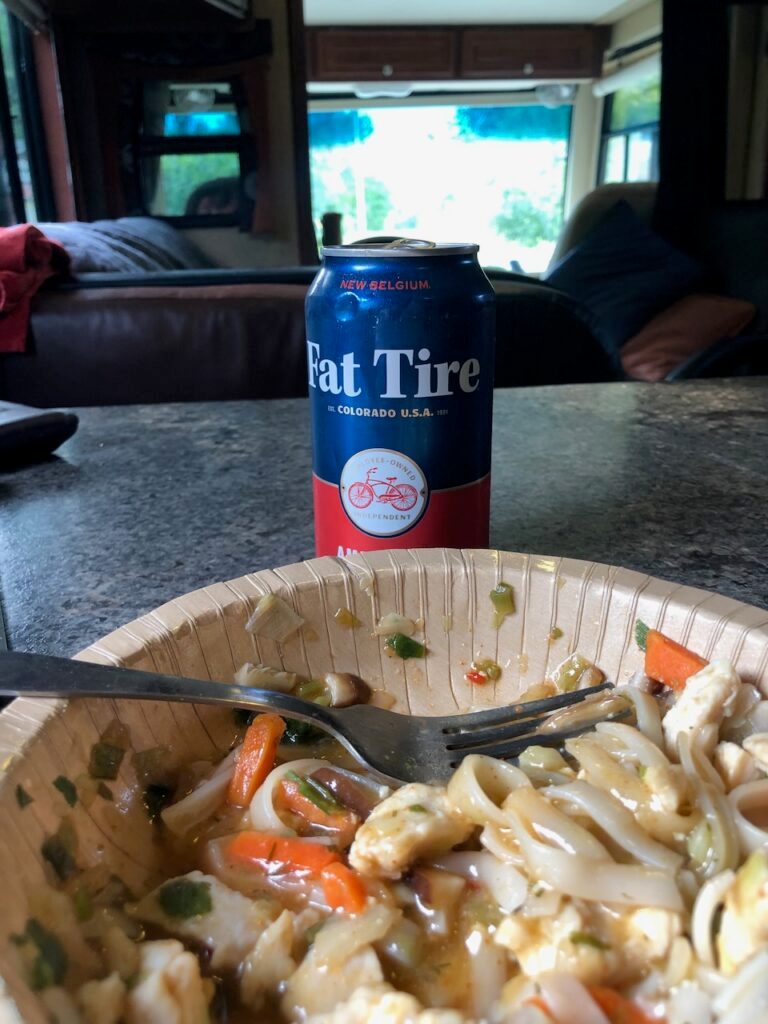
- Drink less everyday - Alcohol calories add up quickly
- Try skipping a meal and replacing it with a lower-calorie snack - Often lunch works best
- Try working or working out when you would normally eat - It often makes you lose any hunger
Mental Longevity Tactics
Staying Mentally Agile
Mental longevity requires the same deliberate approach as physical training. Here's how I maintain cognitive sharpness:
Daily Mental Challenges:
- Learn something new every day
- Engage in complex problem-solving
- Practice skills outside your comfort zone
- Read challenging material across different subjects
Emotional Regulation: The most successful people I've observed in crisis situations didn't break down crying, get angry and yell at people - they were the most calm in the room and made good decisions, and took decisive actions, one after another, until the best outcome, given the situation, happened.
Emotion-free isn't the goal, but allowing emotions to nullify your ability to succeed in any given situation will greatly diminish your success rate in everything you do in life, including having longevity in your mental arena.
Focus on Your Strengths
Don't waste your energy on what you are not good at, because you are not good at it. Find situations, purpose, goals, etc. that align with your strong suits.
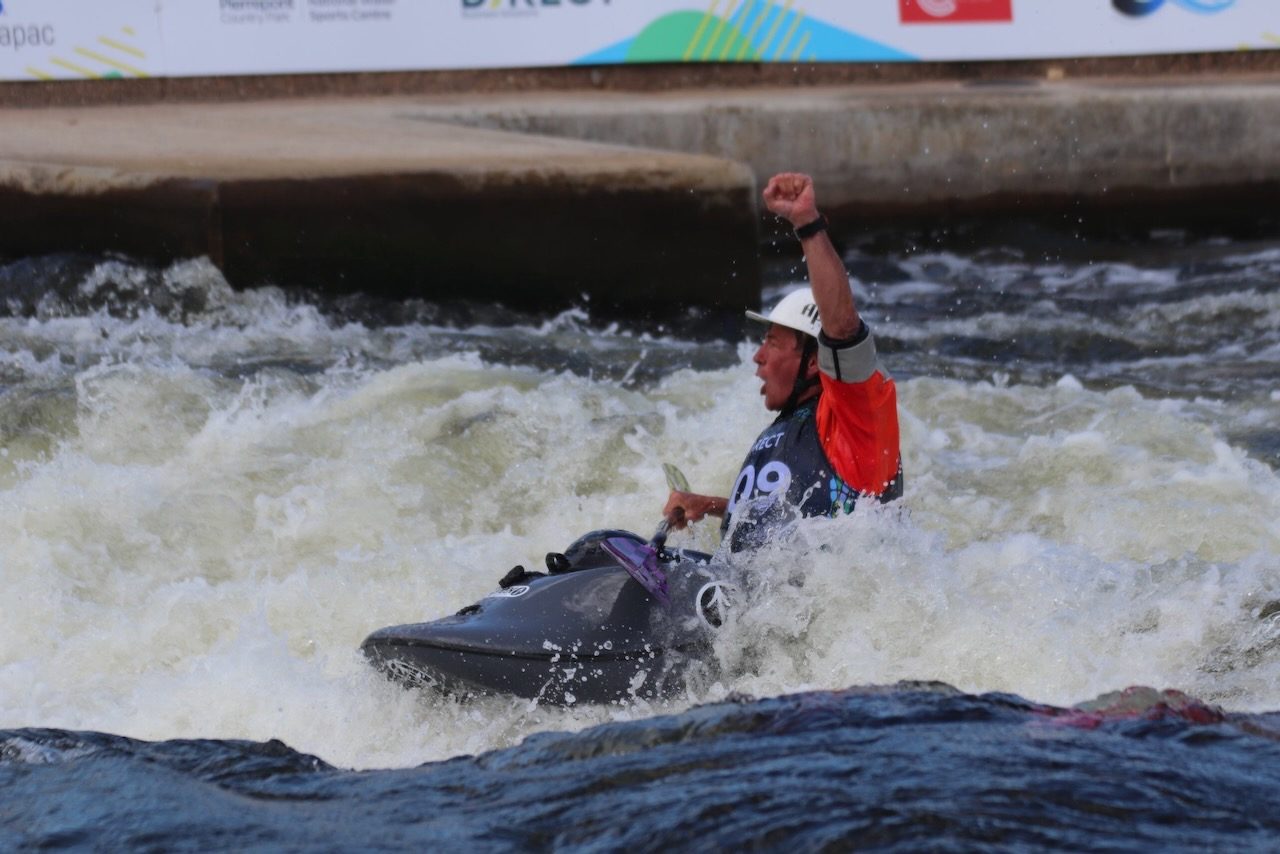
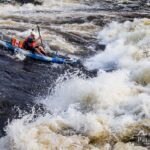
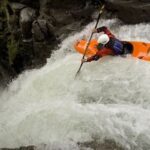
If you are 6'5" and have 300 pounds of muscle and can run super fast, freestyle kayaking might not be your sport, but football or rugby might. Elevating what you are naturally good at is easier and more fun than constantly living in a place where your focus is on things you are not good at, and don't enjoy.

The AI Caution
Use AI carefully. While technology can enhance our capabilities, over-reliance on artificial intelligence for thinking and decision-making can atrophy our mental faculties. Challenge yourself to think independently and solve problems without digital assistance regularly.
The "DOs" - Tactics That Work for Me
Remember that the logistical planning part of my blog is the critical part, where you can create a winning plan. This part shows the motions, the blocking and tackling, and the creative ways I found to get things done to support my plan.
Physical Longevity
"That which can be measured can be managed."
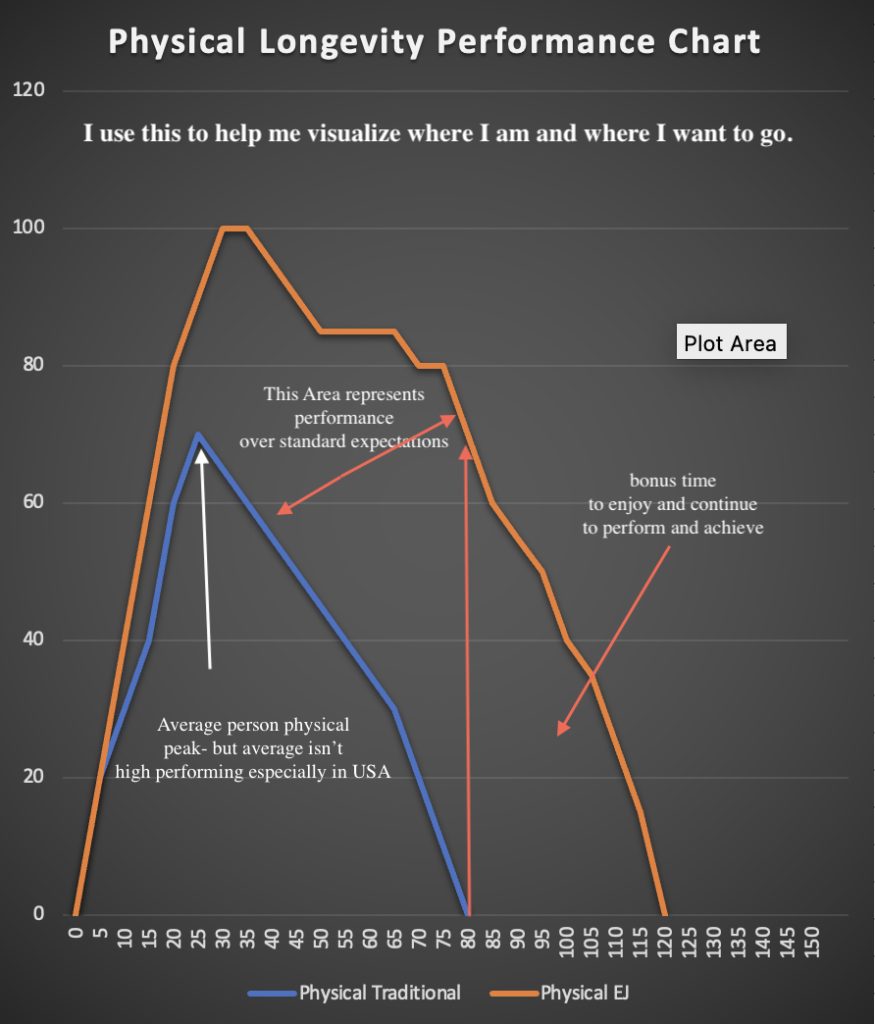
I track everything that matters:
- Daily weight (same time, same conditions)
- Weekly body composition analysis
- Monthly fitness benchmarks
- Quarterly health screenings
- Annual comprehensive physicals
Training Principles:
- Consistency over intensity
- Progressive overload with patience
- Recovery as part of the program
- Variety to prevent boredom and overuse
- Functional movements that translate to real life
Mental Longevity

Continuous Learning Protocol:
- Read across multiple disciplines
- Learn new skills quarterly
- Engage with people smarter than me
- Travel to unfamiliar places
- Challenge assumptions regularly

Stress Management Tactics:
- Daily meditation or quiet time
- Regular exposure to nature
- Physical activity as stress relief
- Social connections that energize
- Purpose-driven goals that motivate
Diet Simplification
Rather than complex diet plans, I focus on:
- Consistent meal timing
- Appropriate portion control
- Quality ingredients when possible
- Hydration throughout the day
- Occasional fasting for metabolic health

Implementation Strategy
Daily Non-Negotiables
- Movement - Even if just 15 minutes
- Measurement - Track one key metric
- Mental stimulation - Learn something new
- Stress management - Some form of recovery practice


Weekly Reviews
- Assess what's working
- Adjust tactics based on results
- Plan for upcoming challenges
- Celebrate progress made

Monthly Experiments
Try new tactics for 30 days:
- Different exercise protocols

- New learning challenges

- Alternative stress management techniques
- Various dietary approaches

The Long-Term Perspective
These tactics will produce better results than others, but if they move you in the direction of your goals, they have value in your experiment for longevity.
The key is finding what works for your lifestyle, genetics, and preferences, then executing consistently over decades.
Remember: You're not trying to be perfect. You're trying to be better today than you were yesterday, and better this year than last year.
Small improvements, compounded over time, create extraordinary results.
EJ