How I Fixed My Shoulder (and How You Can Too)
By Eric Jackson
I know I'm giving away the ending up front, but this is a success story.
That said, it's not a story about luck. It's not about me being special, or my body having some unique ability to bounce back. This is a story about what I've learned the hard way—about how shoulders are built, how they fall apart, and how they can be fixed with effort and intelligent rehab work.
The Timeline: From Injury to Full Recovery
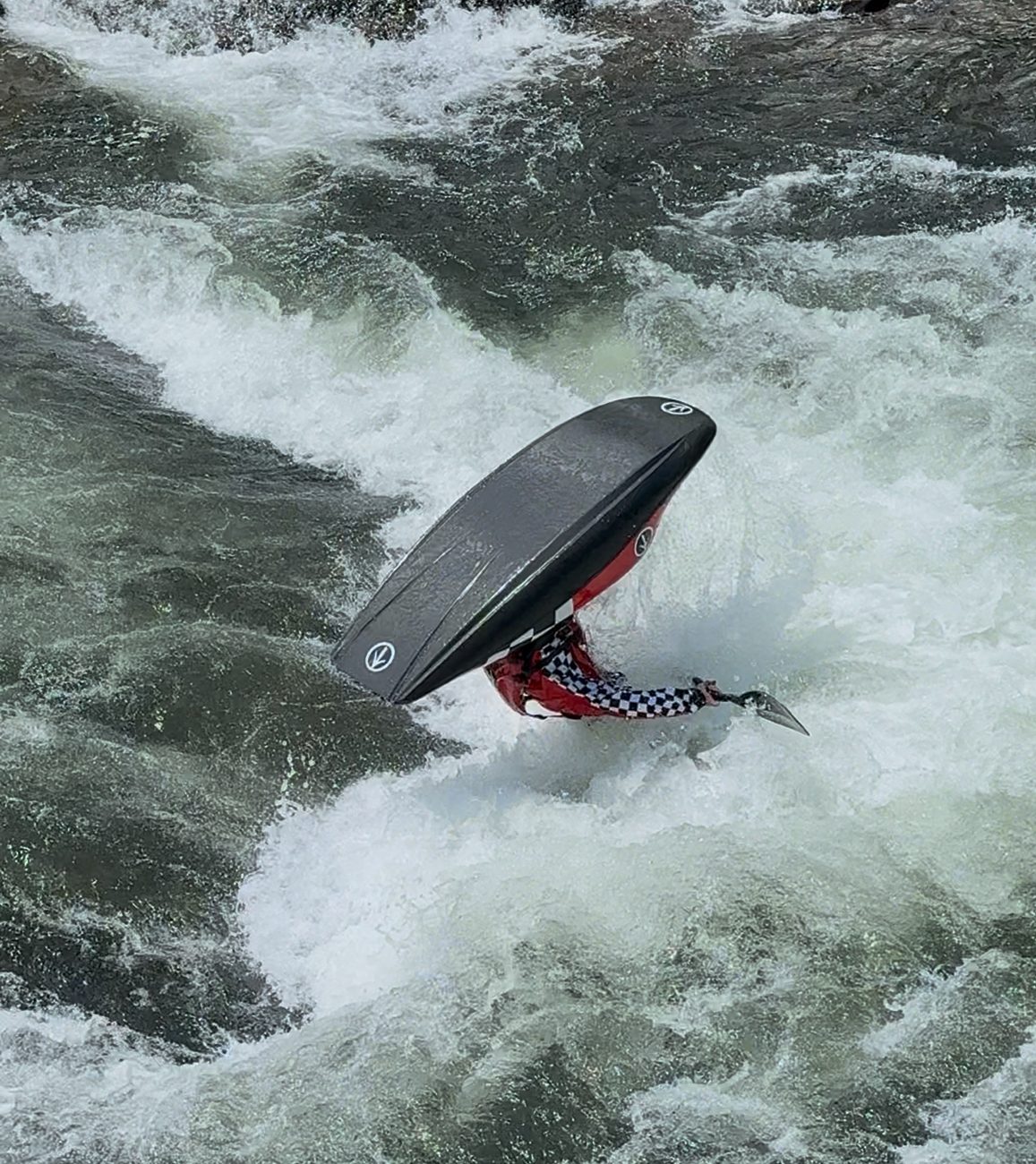
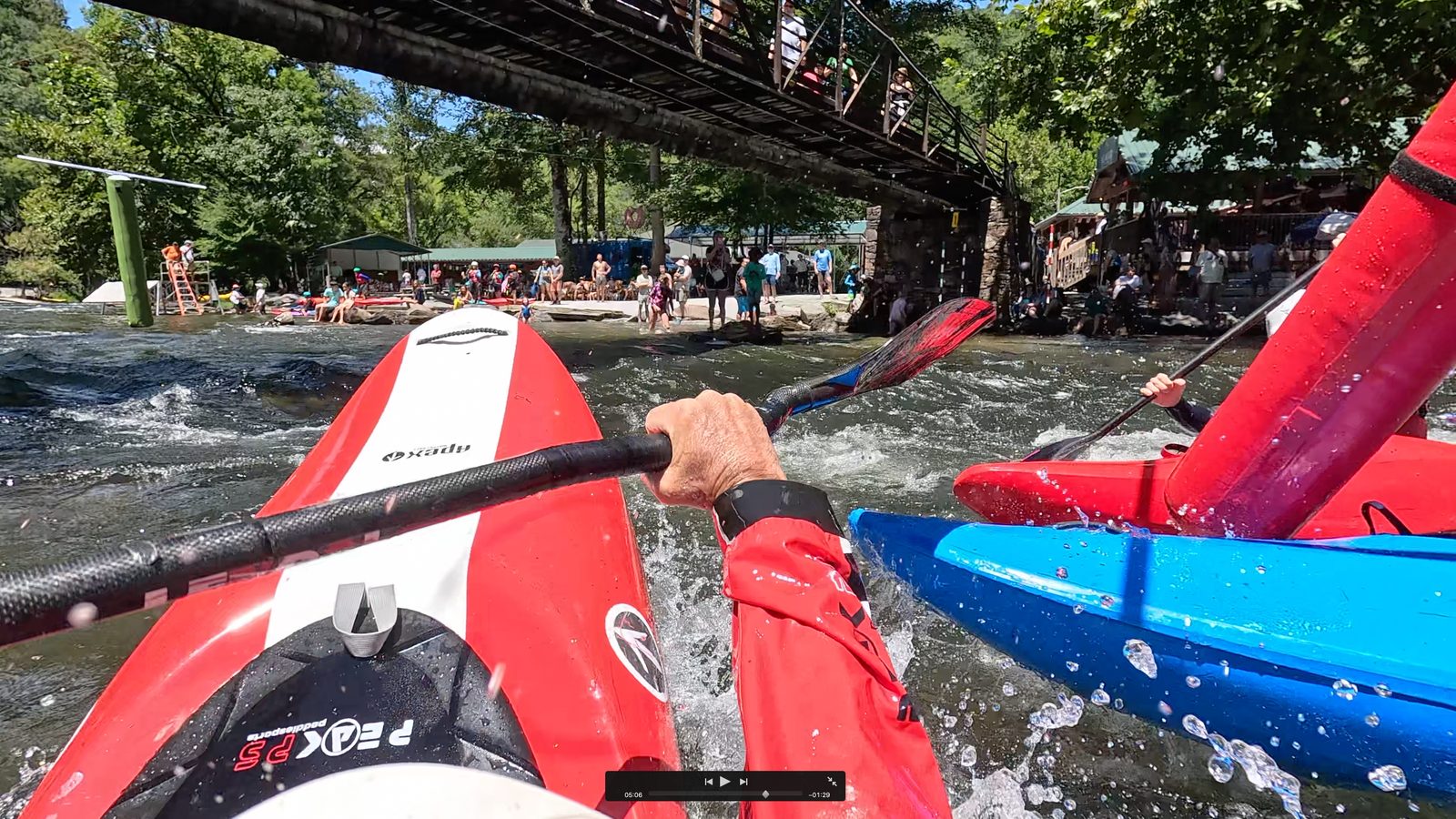
It's now been 4 weeks and 4 days since I did my first shoulder rehab workout after injuring myself in Germany during the World Championships. My last update was from the Ocoee River, where I paddled my Ringer casually with KC and Clay. I did a few squirts (just one on the right) and came off the water frustrated—my shoulder still wasn't stabilized by the major muscle groups, and it was moving around enough to stretch and pinch tendons. By the end of the run, I could barely lift my arm.
That night, I started taking Advil again (4x200mg, 3 times a day) to bring the swelling down and continued my lifting routine the next morning. If you've been following this journey, you know I believe the key to fixing a shoulder with a torn rotator cuff is to fortify the muscle and tendon structure around the injury. That means strengthening the big muscle groups—not just the small stabilizers. Strengthen everything.
The Setback: Getting Sick While Rehabbing
Then I got sick. Something I picked up at the Ocoee—swollen glands, sore throat, recurring ear infections, fatigue. I was weak and tired for a week straight. But I knew that stopping rehab because I felt sick would set me back, so I kept going. I ran every day—just slower. I had to stop mid-run to stretch and catch my breath on the 2.5-mile trail. My strength training suffered too—less weight on the bench, fewer chin-ups, fewer dips. I skipped one run and cut weights to three days instead of seven, but I never stopped completely.
By the end of that week, the illness mostly cleared. The only lingering issue has been clear fluid in my lungs and sinuses—enough to drip into my throat at night and require coughing through the day. Even now, it's still slowly improving.
The Breakthrough: Week 4-5 Results
But by the end of week 4 and into week 5, I turned a major corner.
- Running: 20 seconds/mile faster
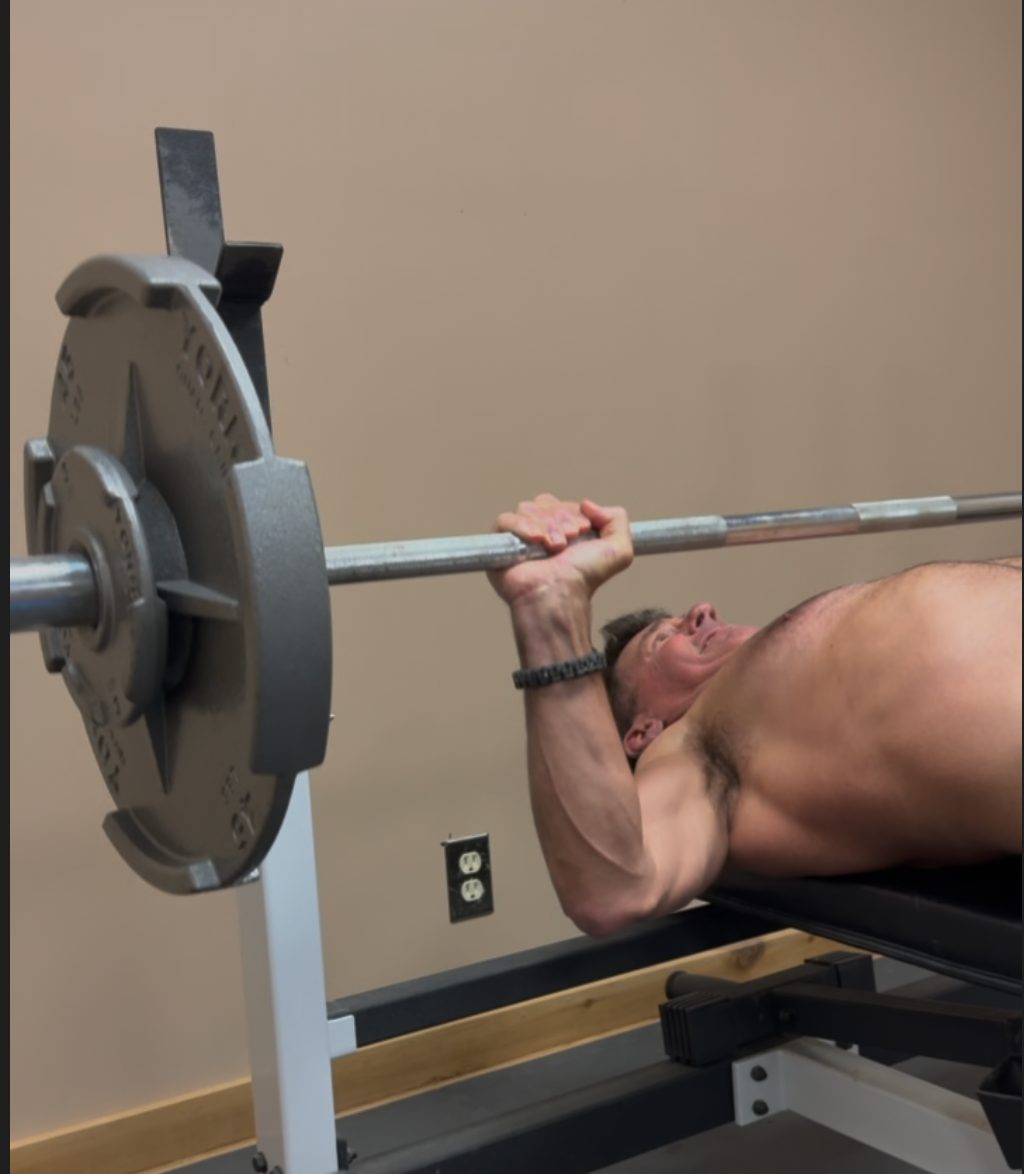
- Bench Press: Added 20 lbs to my max
- Pull-ups: Chin-ups and pull-ups felt smooth—100% full extension, no pain
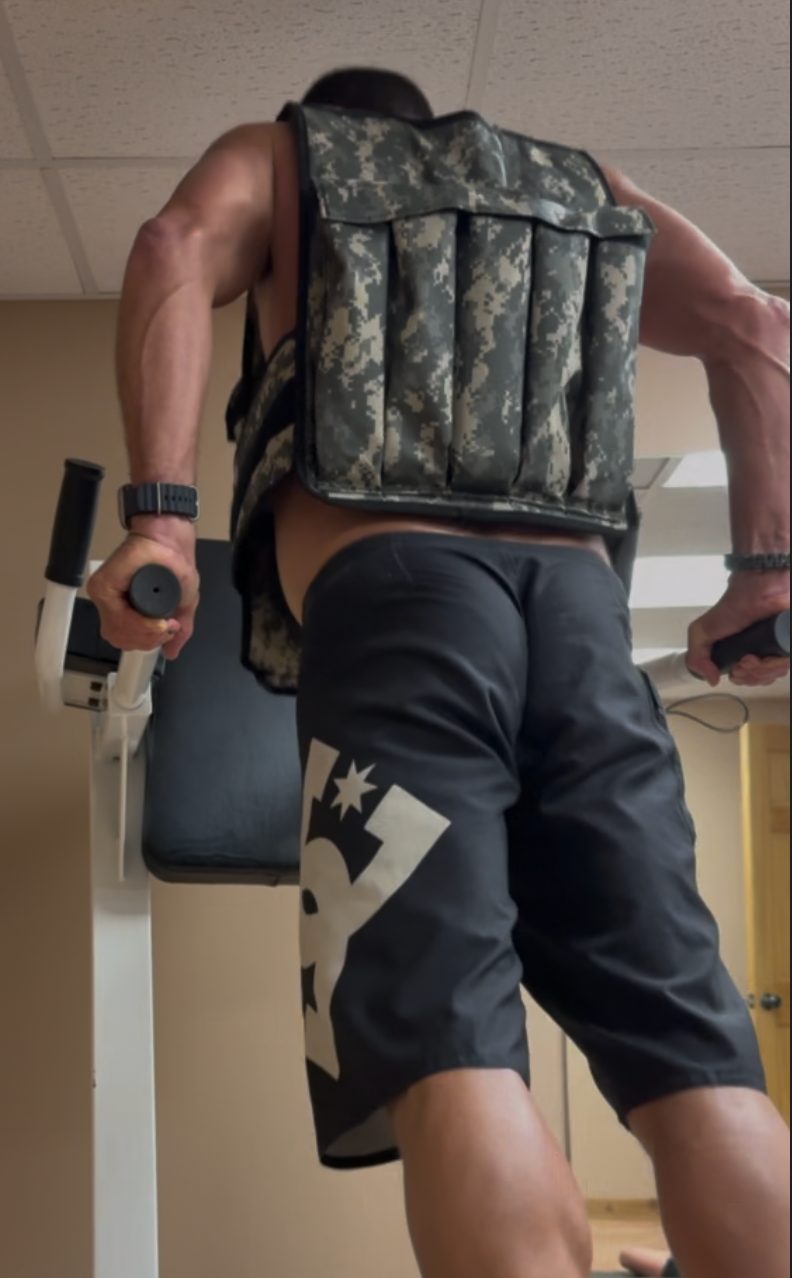
- Dips: Went from only doing 10 bodyweight dips after the Ocoee to 20 again with my 40-pound vest
And most importantly—one week after the Ocoee, I was paddling in the hole at Rock Island with no pain and no swelling. No Advil needed. Even though I was sick and fatigued, my muscles and tendons had already adapted and were now holding the shoulder in place under stress.
The Real Test: Competition Ready
This weekend was the real test.
- Slalom racing ✓
- Boater cross ✓
- Freestyle play in the hole ✓
All with no issues.
Yes, I would have been even fitter and stronger had I not been sick for a week, but everything I've done since Germany has been pushing me forward—except for the Ocoee run, which was premature.
Why the Standard Approach Fails
Here's the truth: This isn't about luck. This is what works.
And I know what you've probably heard is different. Maybe you're a PT. Maybe you're a doctor. And I get that.
But I'm not trying to change the system—I just want people to have another option that works. Because right now, the default approach for a torn rotator cuff is rest, then surgery—and if not surgery, then the kind of PT that leaves most people in the same cycle:
Get injured → Rest too long → Get weak and tight → Try to rehab → Re-injure → Rest again → Spiral.
It's the norm. Not the exception.
Ask yourself: how many people do you know who have a "bad shoulder," "bad knee," "bad back"—and are just slowing down, getting weaker? That spiral gets normalized as "aging," but it's not aging. It's not knowing how to actually recover.
The EJ Shoulder Rehab Method: 7 Key Principles
Here's the approach that worked for me—built from decades of personal experience, guidance from Olympic-level PTs and doctors, and trial and error.
This is specific to rotator cuff tears but applies to most tendon/muscle injuries with slight adjustments.
1. Inflammation is Enemy #1
- Start NSAIDs immediately after injury—within minutes or hours, not days. I use 4x200mg Advil, 3 times/day
- In extreme cases, Prednisone is better for inflammation but comes with side effects
- Ice for 20 minutes after any use of the shoulder
- Avoid stretching or massage early on—they worsen inflammation
2. Move It or Lose It
- Gentle, pain-free movement in all directions starts right away
- DO NOT push into pain. If it pinches or stretches—stop
- Immobilizing it will cause it to heal in a shortened, tight position—guaranteeing a setback later
3. Begin Core Rehab: Bench / Chin-ups / Dips
If you're too weak or overweight to do these:
- Bench → Push-ups (knees if needed)
- Chin-ups → Lat pull-downs or assisted pull-ups
- Dips → Assisted dips (machine or legs)
These are your foundation exercises for shoulder stability—they train the big muscle groups that compensate for your injured rotator cuff. These three exercises have kept me functional even with partial tears and injuries over the years.
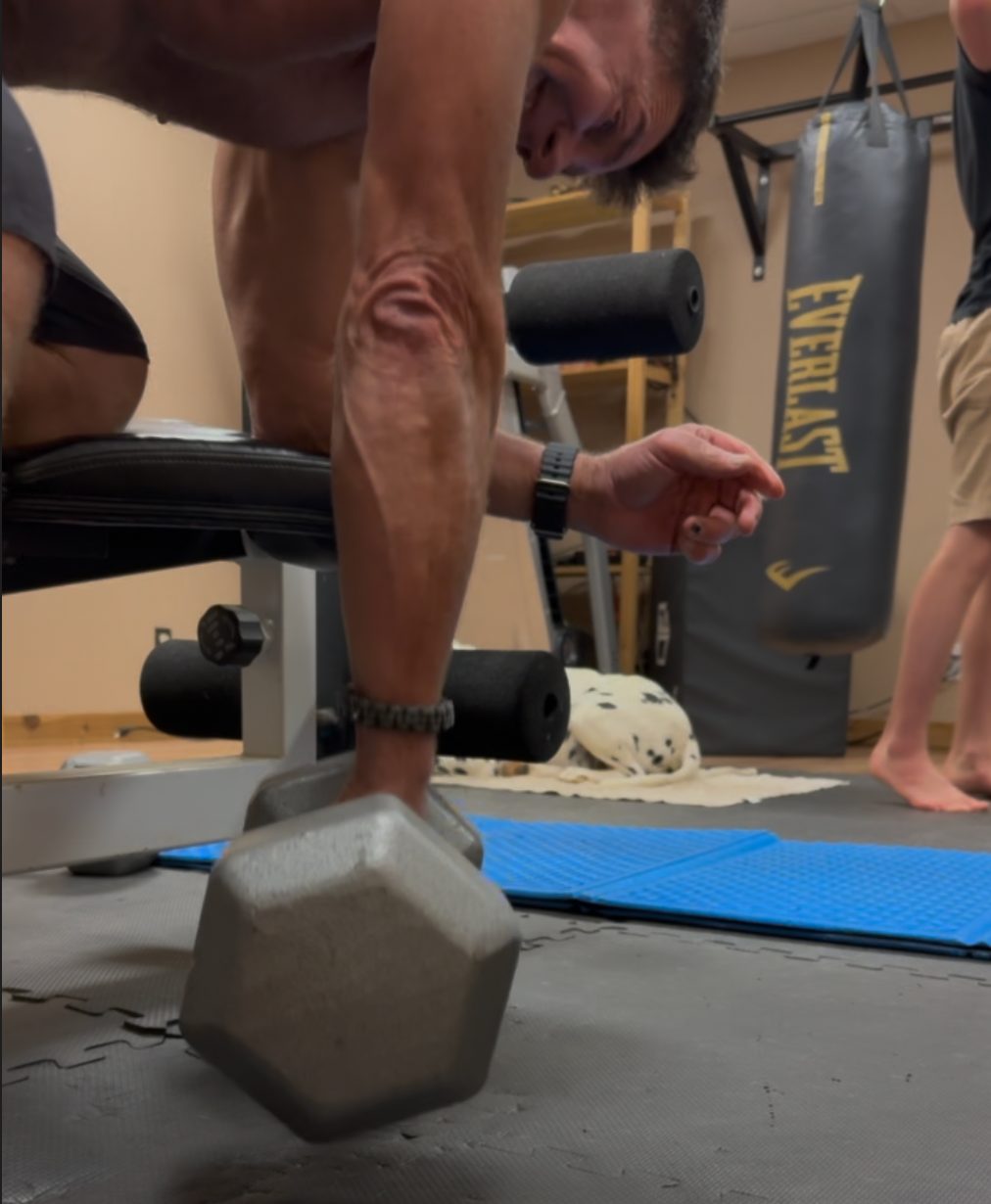
4. Use the Warm-Up Dumbbell Routine (Every Time You Lift)
- Takes 2 minutes
- Targets rotator cuff and stabilizer health
- Prevents injury and aids in recovery—but it's not enough on its own
- You still need to bench, dip, and pull
5. Lift Smart and Stay Consistent
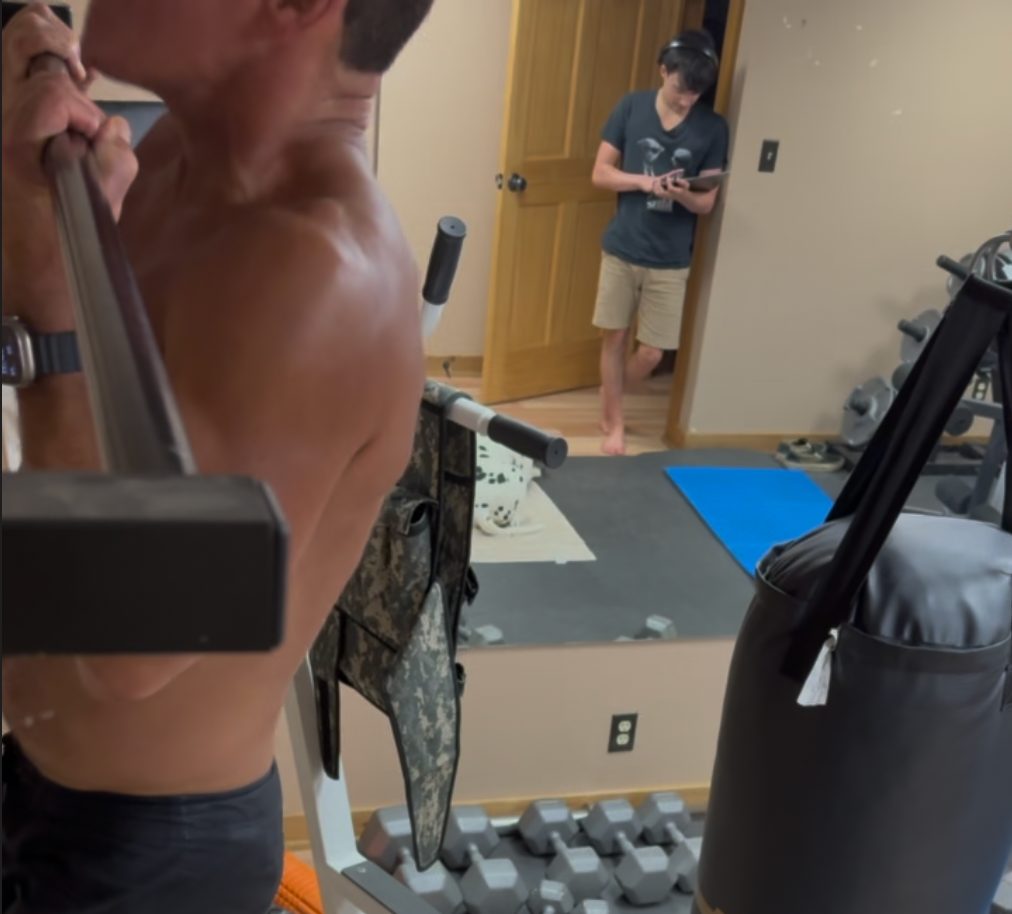
- Always flex all shoulder muscles, lift slowly and deliberately
- Start very light. Only increase weight if it's 100% pain-free
- Example: I started benching 45 lbs, hit 135 by Day 4, and have now plateaued at 155 for 2 sets of 10
- Minor discomfort post-lift is OK. If it hurts during the motion—back off
6. No Days Off (During Recovery)
- Rest days are where most people lose progress
- Go every day if possible. Lower intensity is fine—consistency isn't optional
- Once fully healed, maintain 3x/week as a baseline
7. If It Hurts, That's the One to Fix
- Can't do dips? That's your priority
- Can't press? That's the one to focus on
- Scale the weight. Do the movement carefully. Then rebuild it
- Use it or lose it
The Bottom Line
You can find more of my writing on this by Googling me or asking ChatGPT. I've posted videos of the workouts too.
My goal is simple: Help someone who thinks they're done kayaking—or done moving well—realize that they're not.
This isn't about me. I'm going to be fine.
But if this helps even one person go from broken to better than before, it was worth writing.
— EJ
Key Takeaways for Shoulder Recovery
- Inflammation control is priority #1 - start NSAIDs immediately
- Movement beats rest - gentle, pain-free range of motion from day one
- Big muscle groups do the real work - bench, dips, pull-ups are your foundation
- Consistency trumps intensity - daily movement, even when sick
- Pain during exercise means back off - pain after is often acceptable
- The spiral is preventable - don't let "bad shoulder" become your identity
Looking for more injury prevention and longevity training? Check out my other posts on physical and mental longevity and dynamic movement training.